How To Prepare For The API Q2 On-Site Assessment
An API Q2 on-site assessment gives an organization a clear test of its quality management practices. The assessment checks how well teams follow documented processes, manage risks, control records, and meet API Q2 requirements. Good preparation helps staff stay organized and confident during the assessment. A focused training program also gives teams practical knowledge before the assessor arrives. The API Q2 practitioner training course gives professionals useful skills for this stage.
Understand the assessment requirements
Start by reviewing the API Q2 requirements that apply to your organization. Check each process against the standard and identify areas that require improvement. Ensure employees understand their responsibilities and know which records support each process. A simple checklist helps teams track open points and close gaps before the assessment.
Review your quality documents
Assessors review documents to confirm that your quality system works as intended. Check procedures, work instructions, forms, records, and quality objectives. Remove outdated documents and ensure current versions reach the right employees. Keep records clear, complete, and easy to locate. Consistent documentation gives the assessor a clear picture of daily operations.
Check employee awareness
Employees play an important part during an on-site assessment. Staff members should understand their tasks, quality responsibilities, and relevant procedures. Hold short internal sessions to discuss common questions. Encourage employees to answer honestly and explain actual work practices instead of trying to memorize responses. Clear communication helps the assessment run smoothly.
Run an internal review
A mock assessment gives your team a practical test before the real event. Review key processes, interview employees, inspect records, and compare actual activities with documented procedures. Record every gap and assign an owner to each corrective action. Give teams enough time to address findings before the assessor conducts the official review.
Organize records and evidence
Keep supporting evidence in an organized system. Assessors may request training records, inspection results, audit reports, corrective action records, supplier information, and process documents. A clear filing system saves time when staff respond to requests. Check dates, approvals, signatures, and document versions so records remain accurate.
Prepare the workplace
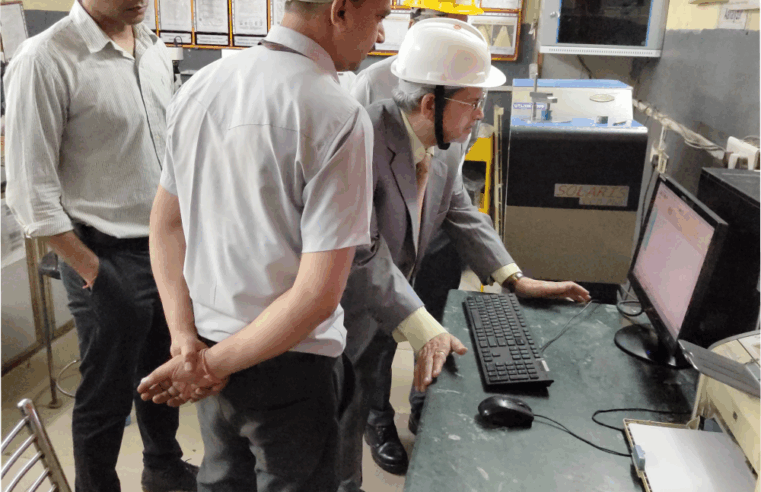
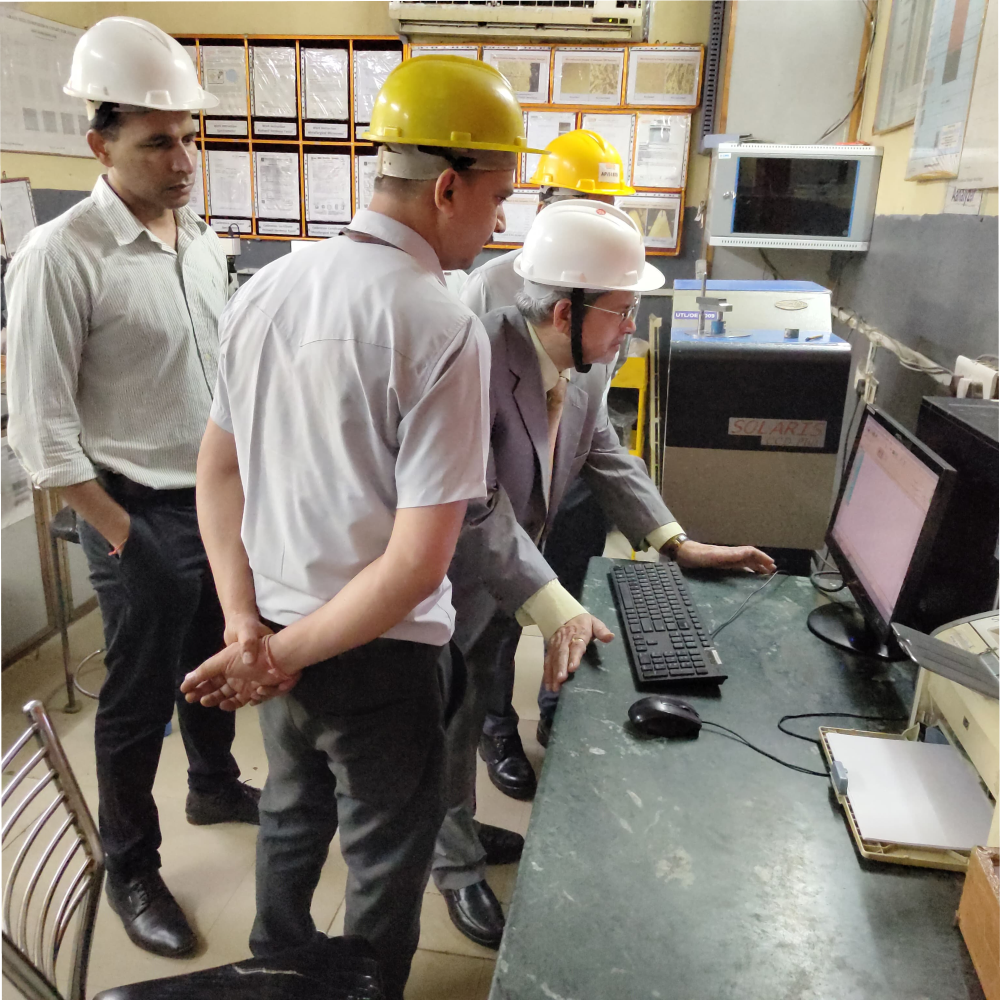
The physical workplace also gives assessors useful evidence. Keep work areas organized and ensure employees follow established procedures. Check equipment records, inspection details, safety information, and process controls. Managers should remain available during the assessment and help employees provide accurate information. A calm, organized workplace supports productive discussions.